
Finding Your Community
Choosing the Right Dance School in Waterford and Kilkenny
What to look for in an instructor, class size, facility quality, and how to find a welcoming community for adult beginners.

Where You Start Matters
Finding the right dance school can make all the difference between falling in love with dancing and deciding it's not for you. The instructor, the atmosphere, the other students — these things matter far more than you'd think. We're not just talking about learning steps. It's about finding a place where you feel comfortable, where the teaching actually clicks, and where you'll want to come back week after week.
Waterford and Kilkenny have several good options for adult beginners. But they're not all the same. Some schools cater mainly to kids and teens. Some are competitive-focused from day one. Others welcome adults exactly where they are — no experience, maybe a bit nervous, but genuinely ready to learn.
The Real Question
Does this school want me to be here? Or does it just tolerate adult beginners?
The Instructor Makes It
You can have the best studio in the world, but a poor instructor will tank the whole experience. Good instructors for adult beginners have specific skills. They're patient without being condescending. They break things down clearly — not just showing the move, but explaining *why* your feet go there.
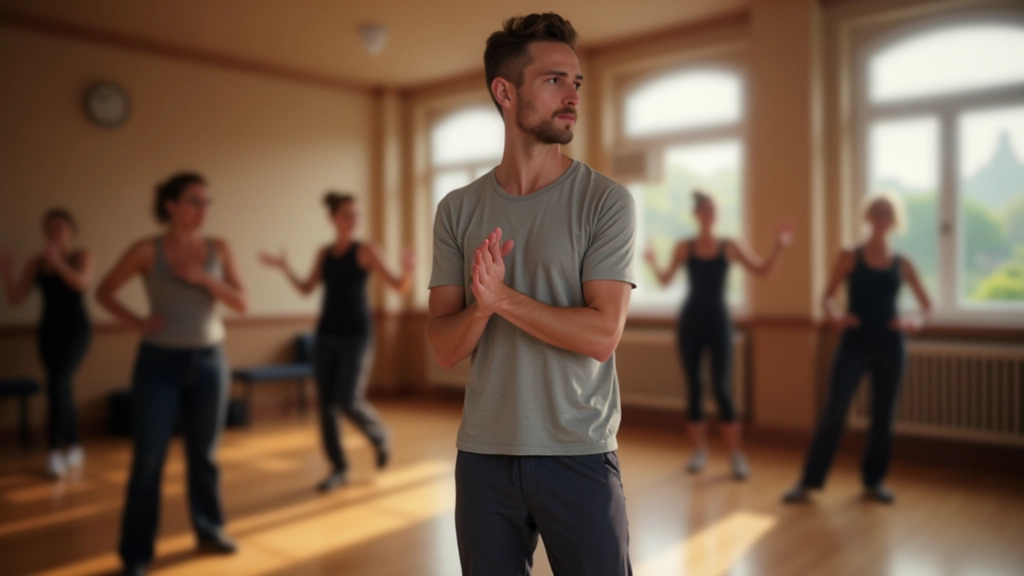
Ask about their experience. Have they worked with beginners before? Specifically, have they taught adults who came in with no dance background? There's a difference between someone who's trained dancers and someone who knows how to help a 45-year-old who hasn't danced since secondary school.
Key Questions to Ask:
How long have you been teaching? Do you have adult beginner
classes? What's your approach if someone's struggling with
timing or coordination?
Space and Setup Matter More Than You Think
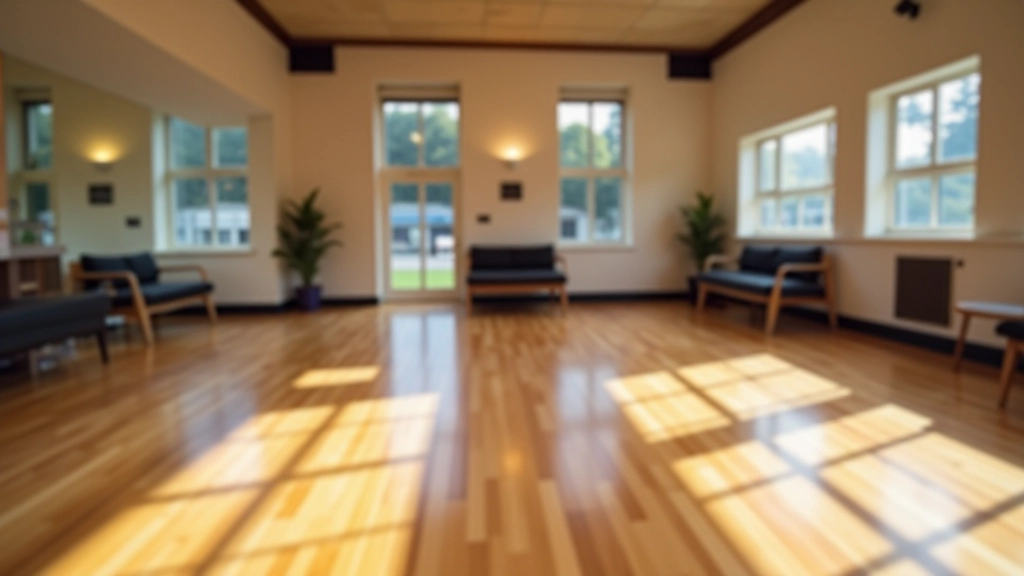
The studio doesn't need to be fancy. But it does need to be functional. Look for a sprung wooden floor — this protects your joints. A proper floor reduces impact significantly and makes learning easier because your feet respond better.
Mirrors are essential. You need to see yourself to correct your posture and position. Good lighting matters too. You're trying to watch the instructor and yourself. Dark studios make this frustrating.
Class size is crucial. Eight to twelve people is ideal for beginners. Anything over twenty gets chaotic. You can't get individual feedback. The instructor's attention gets stretched too thin. If they're running classes with 30+ people, that's a red flag.
✓ Sprung wooden floor
✓ Full mirrors on walls
✓ Good lighting throughout
✓ Class size under 15
✓ Climate control
Community is Everything
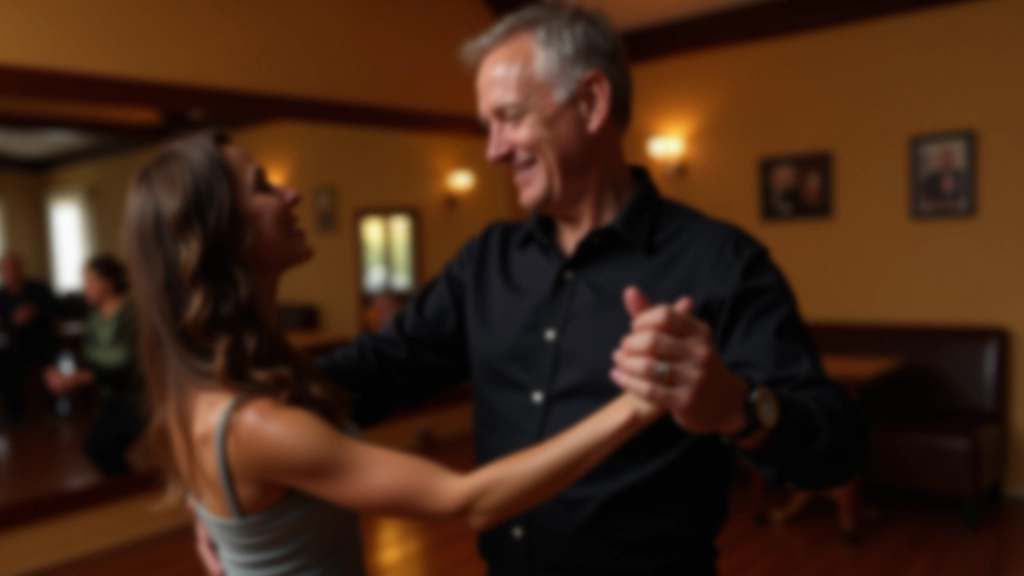
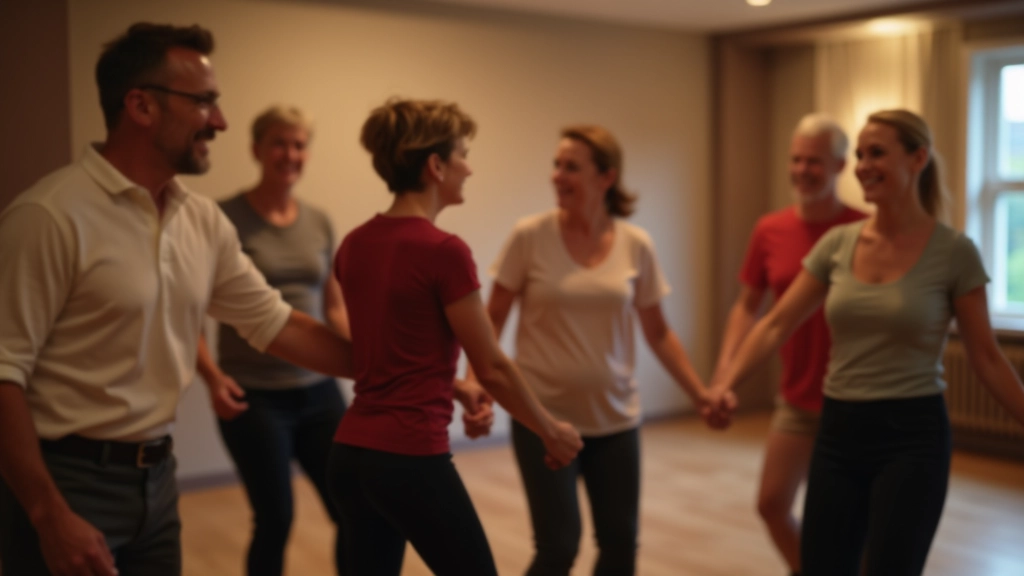
Here's what separates okay schools from great ones: the people. Visit a class before you sign up. Watch how students interact. Do they help each other? Is there laughter? Or does it feel tense and competitive?
For adult beginners especially, you want peers. You don't want to be the only person over 40 in a class of teenagers. You don't want to be the only complete beginner while everyone else has danced before. Most good schools running adult classes understand this and actually *plan* classes for people at similar levels.
Talk to people who've been there for a few months. Ask them honestly: Do you feel welcomed? Have you made friends here? Would you recommend it? Their answers tell you everything.
Timing and Schedule
Class Length
60 minutes is standard. That's enough time to warm up, learn new material, and practice. Less than 45 minutes and you're just getting warmed up.
Frequency Matters
Once a week teaches you steps. Twice a week lets you actually progress. Skills build on repetition. You need to practice what you learned in the last class.
Convenience Counts
Pick a time you'll actually attend. Evening classes work for some, morning for others. There's no point choosing the "best" school if the class is at an inconvenient time.

About This Guide
This article provides educational information to help you evaluate dance schools and make informed decisions about beginner social dance classes. Individual circumstances vary widely. Factors like your fitness level, prior movement experience, and personal preferences will influence which school is right for you. We recommend visiting classes in person, speaking with instructors and current students, and assessing how you feel in the environment before committing. If you have health concerns or physical limitations, consult with a healthcare provider before starting any new physical activity.
Trust Your Gut
In the end, you're looking for a school where the instructor's patient, the space is welcoming, and the other students feel like people you'd want to spend time with. You want a place that actually wants adult beginners there — not as an afterthought, but as a real part of their community.
Waterford and Kilkenny both have options that tick these boxes. Visit a few. Take a class. See how you feel afterward. Not just physically, but emotionally. Did you want to go back? Did you feel like you belonged? That's your answer right there.
Related Articles