Salsa Fundamentals Over 45: Building Your Foundation
Discover how the forward-back step works, why rhythm matters more than speed, and what makes salsa different from other partner dances.
Read More

You're standing outside the studio door, maybe a bit nervous. That's completely normal — everyone feels it on their first day. The good news? Bachata's one of the most welcoming dances you'll find. It's close, it's rhythmic, and it doesn't require you to be athletic or coordinated to start learning.
What happens in those first 60 minutes matters. A good instructor will ease you in, explain the basic rhythm without overwhelming you, and help you understand that dancing's not about being perfect — it's about feeling the music and moving with another person.
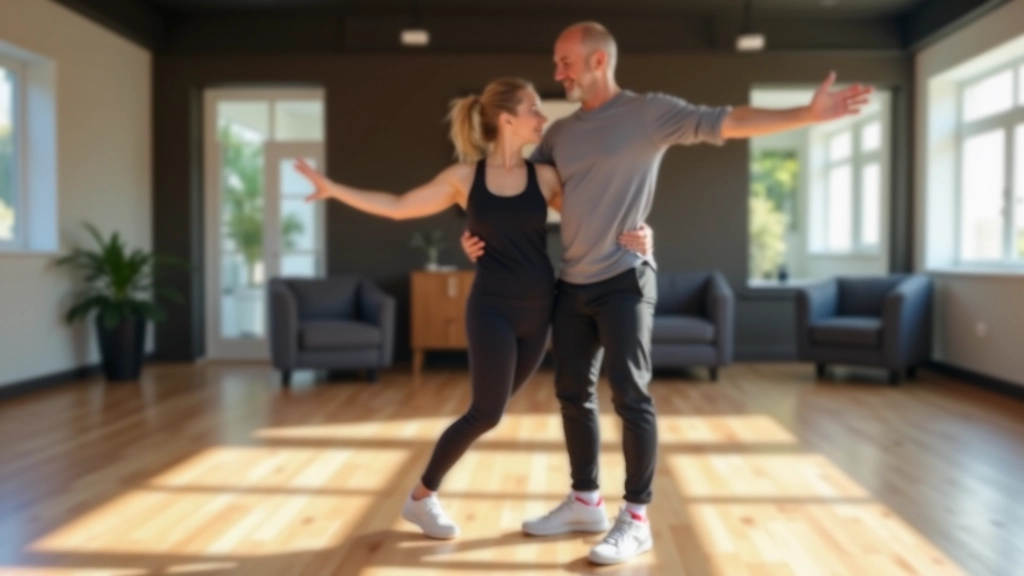
Bachata music follows a straightforward pattern. You're working with an 8-count, but here's what makes it easy — you'll step on counts 1, 2, 3, then pause on 4. Then 5, 6, 7, pause on 8. It's hypnotic once you feel it. Most people pick up the basic pattern in the first 15 minutes.
The Basic Step: Step forward (1), step side (2), step back to center (3), pause (4). Repeat going backward. Your body's moving in a gentle square, and your hips follow naturally once you stop thinking about it.
Don't worry about getting the rhythm perfect immediately. Your instructor will play the same track multiple times, and you'll feel it settle into your body. It's not like learning coordinates in your head — it's more about letting the music guide your feet. You'll be surprised how quickly your body remembers.
You don't need special dance shoes yet. Wear something with a smooth sole — leather or suede shoes work, sneakers are fine too. You'll need to feel the floor, so nothing too thick or heavy. Most people switch to dance shoes after a few weeks once they're sure they'll stick with it.
Wear something comfortable that lets you move. Jeans work, but you'll be warmer in loose trousers or leggings. Your partner needs to be able to feel where you're going, so fitted clothes help more than baggy ones. You'll warm up quickly — bring a light layer to remove after 10 minutes.
Bring water. You'll be surprised how much you move in 60 minutes. Even though you're not running or doing cardio, your body's working. A water bottle on the side of the room lets you hydrate between drills. Most studios have a place to leave your belongings too.
Educational Note: This article provides informational guidance about beginning bachata dance classes. Every student's experience varies based on their fitness level, coordination, and dance background. If you have any physical concerns or injuries, consult with a healthcare professional before starting dance training. The techniques and timelines mentioned reflect general beginner experiences and aren't guaranteed for every student.
A typical first class runs about 60 minutes. Here's roughly how it flows. You'll arrive 10 minutes early, meet a few other beginners, maybe some nervous energy in the room. Good — you're all in the same boat. Your instructor will do a quick introduction, ask if anyone's dancing for the first time, and put on the first track.
The instructor will demonstrate the basic step slowly. You'll watch, then you'll try it without a partner. Just stepping, feeling the floor. Don't expect to nail it immediately — this is the discovery phase. You're learning how your body moves to this particular rhythm. Your brain's building the pattern. It takes maybe 10-15 minutes before most people stop thinking about it so hard.
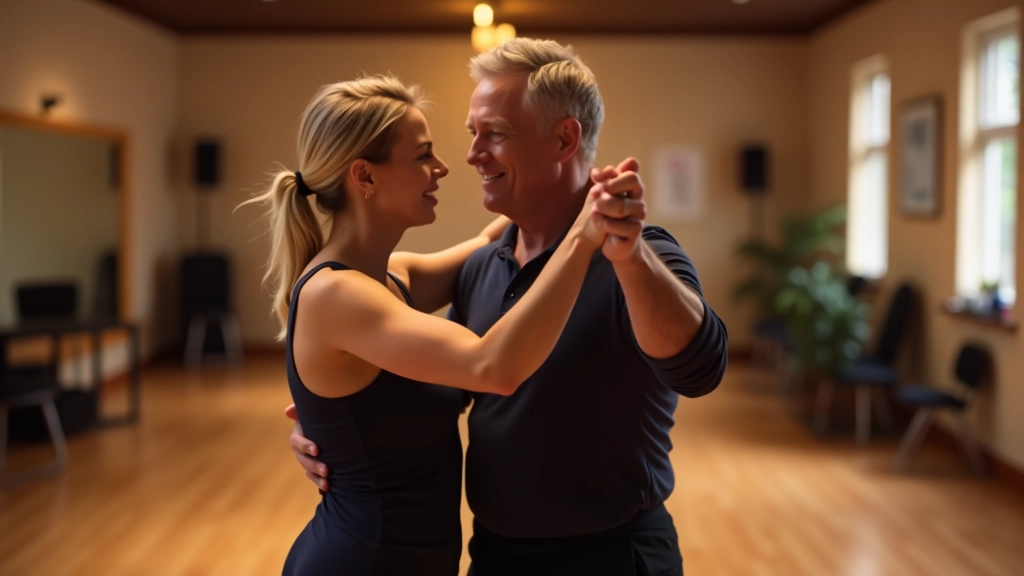
Then comes partnering: The instructor will show you how to hold each other — it's close but respectful. Your right hand goes on their left shoulder blade, their right hand holds your left hand at shoulder height. You're connected, not hugging. This is where the real learning happens.
Don't stress about leading or following yet. That comes later. Right now, you're just learning to move together. You might switch partners a few times. You'll probably make mistakes — someone goes left when you go right. You'll laugh about it. That's exactly what should happen.
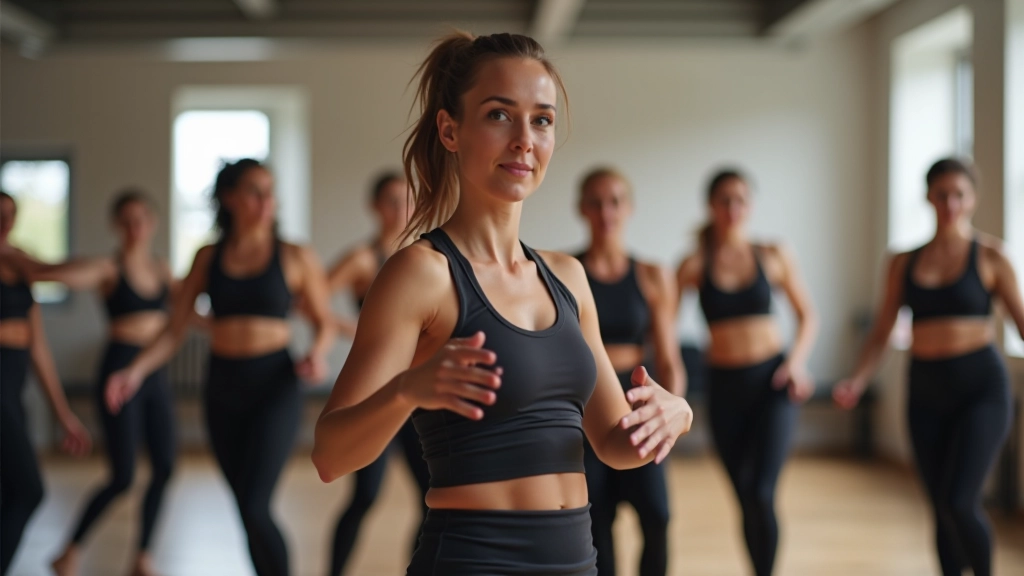
You won't be a dancer after one class. Let's be honest about that. But you'll understand why people love this dance. You'll have felt music moving through your body in a way that's different from just listening. You'll have been held by someone and held them in return. It's intimate without being awkward — that's what makes bachata special.
Your feet might be a bit sore. Your legs might feel tired. That's fine. It's a good tired. You've moved in ways your body's not used to moving. By day two or three, you'll feel it a bit more, but nothing serious. After your third class, you'll start remembering the basic pattern without thinking. After your sixth class, you'll start noticing musicality. After your tenth class, you'll realize you're actually dancing.
The biggest surprise? You'll want to go back. That nervousness you felt walking in? It transforms. By the end, you're thinking about the next class already. You've met people. You've learned something. You've moved to music. That's worth showing up for.