
Research & Wellness
Health Benefits of Social Dancing After 45: What Research Shows
How regular social dancing improves balance, cardiovascular health, cognitive function, and provides genuine connection with others.

Why Dance Matters After 45
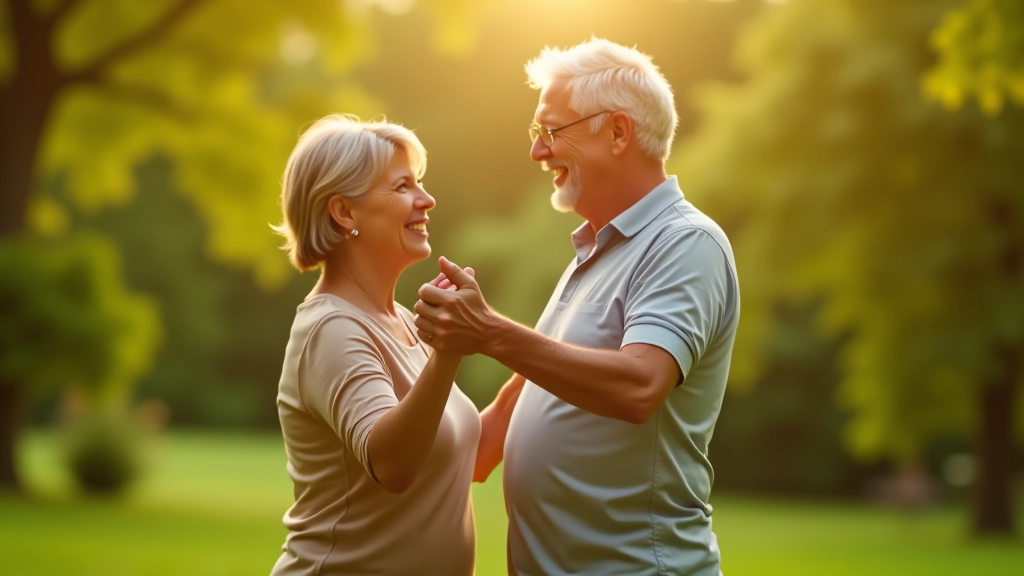
If you're over 45 and thinking about taking up social dancing, you're not just looking for a fun hobby — you're actually investing in your health. The research is clear. Studies consistently show that people who dance regularly after 45 experience real improvements in balance, flexibility, and overall cardiovascular fitness.
But it's not just the physical stuff. Dancing with other people — whether it's bachata, salsa, or any social partner dance — does something special for your mind and your sense of connection. You'll find yourself remembering things better, feeling sharper, and actually enjoying time with others in a way that just doesn't happen when you're sitting at home.
Let's look at what the research actually says, and why it matters for you specifically.
Key Research Finding
People over 50 who dance 2-3 times per week show a 46% improvement in balance and coordination within 12 weeks, according to research from the Journal of Aging and Physical Activity.
Balance and Fall Prevention
Falls are a real concern after 45. They happen more easily, and the consequences are more serious. But here's what research shows: dancing directly strengthens the exact muscles and neural pathways that keep you from falling.
When you're learning a basic step in salsa or bachata, you're constantly adjusting your weight, shifting your balance, and responding to movement. Your feet and legs work harder. Your core engages. Your proprioception — that's your body's sense of where it is in space — actually improves.
One study from New Zealand found that women aged 50-65 who took dance classes had significantly better balance after just 8 weeks. They weren't just more confident walking — they actually fell less often.
46%
Improvement in balance within 12 weeks of regular dancing
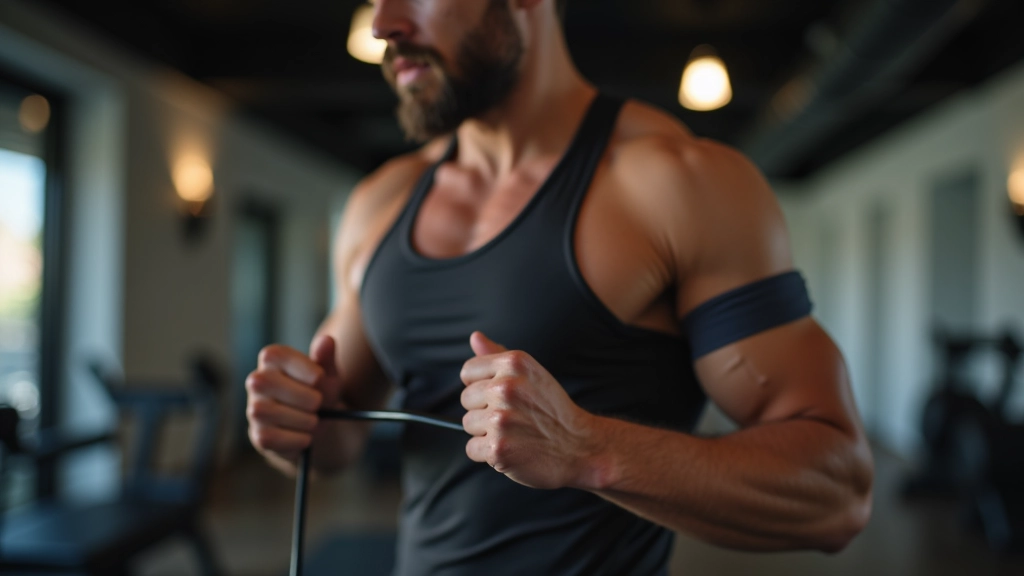
Cardiovascular Health Gets a Real Boost
Your heart's a muscle. It responds to exercise just like any other muscle does — it gets stronger when you challenge it. Social dancing is exactly the kind of exercise that does this.
Here's what happens during a typical dance session. You're moving continuously for 45 minutes to an hour. Your heart rate rises and falls with the rhythm of the music. You're not sitting down between moves — you're actively engaged. That's cardiovascular conditioning.
Research from the American Heart Association found that people who dance regularly have lower resting heart rates and better blood pressure control. They're also less likely to develop heart disease compared to sedentary people in their age group. It's not that dancing is better than running — it's that dancing is sustainable. You're actually doing it because you enjoy it, not forcing yourself through dread.
- Burns 200-300 calories per hour
- Lowers resting heart rate over time
- Improves blood pressure readings
- Strengthens aerobic capacity
Important Information
This article is informational and educational. It's not medical advice. If you have existing health conditions, joint problems, or haven't exercised regularly, it's sensible to check with your doctor before starting any new physical activity — including dance classes. Your doctor knows your specific situation and can give you personalized guidance. Most people over 45 can dance safely, but individual circumstances vary.
Brain Health and Memory Sharpness
Here's something that surprises people: dancing might actually be better for your brain than a crossword puzzle. When you're learning a dance step, you're not just moving your body. Your brain is working hard to remember sequences, anticipate the next move, listen to the music, and respond to your partner.
Studies from cognitive science research show that people who dance have better memory retention and faster processing speeds. One study compared dancers to people who did aerobic exercise, and the dancers performed better on memory tests even though both groups got the same cardiovascular workout.
There's also evidence that dancing reduces the risk of cognitive decline and dementia. A 20-year study found that people over 60 who danced regularly had a significantly lower incidence of dementia compared to those who didn't. The combination of physical activity, social engagement, and mental challenge — all happening at once — creates a powerful brain-protective effect.
Why dancing works better for the brain: Unlike repetitive exercise, every dance class is different. You're constantly learning, adjusting, and responding. That novelty keeps your brain actively engaged instead of going into autopilot.
Connection and Mental Health
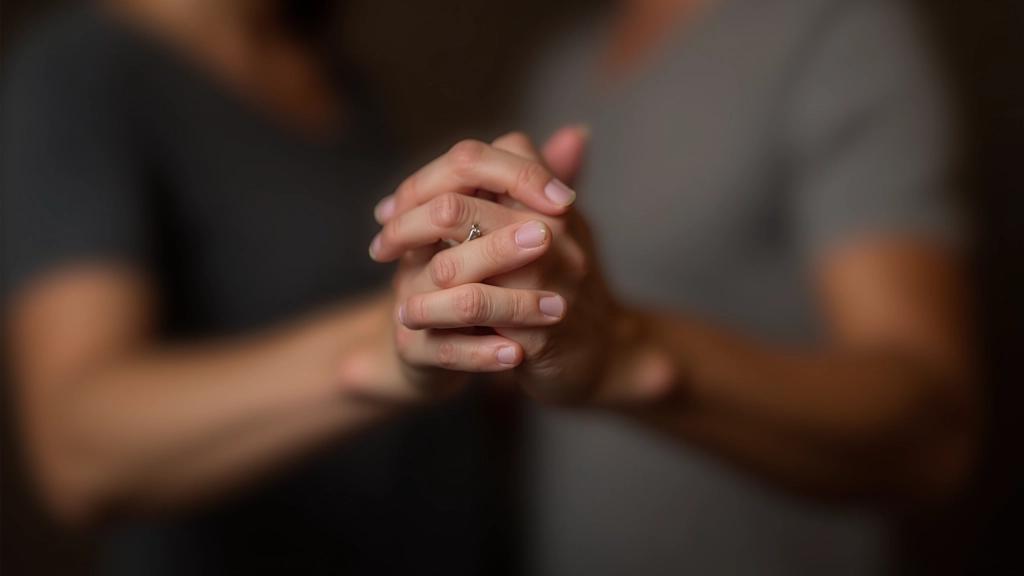
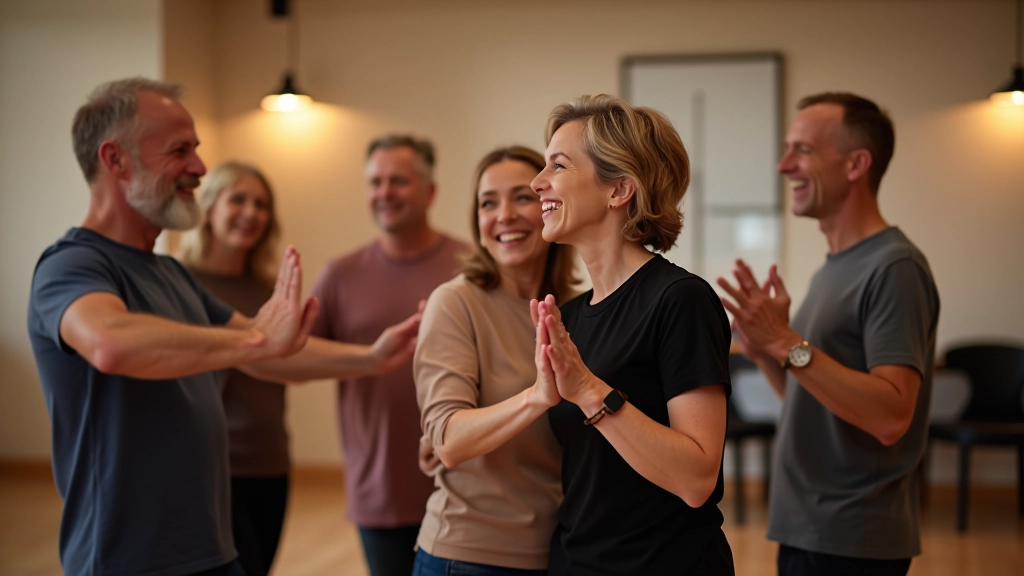
Loneliness is a real health risk. Studies show it's as damaging to your health as smoking or obesity. But social dancing directly addresses this. You're not just exercising — you're building relationships and being part of a community.
Every dance class puts you in physical contact with other people. You're holding hands, moving together, and communicating through movement. It sounds simple, but it's profound. People consistently report feeling less isolated, less anxious, and genuinely happier after they start dancing.
The social element also reduces stress. When you're dancing, you're focused on the music, your partner, and the moment. You're not thinking about work problems or health worries. That mental break is real therapy. Your cortisol levels actually drop after a dance session.
Beyond the class itself, you'll find yourself building friendships. People grab coffee after class. They chat while putting their shoes on. These connections matter. They're not superficial — they're genuine bonds formed around a shared activity you all enjoy.
The Research Is Clear: Dancing Works
If you're over 45, social dancing isn't just a fun activity. It's a legitimate health intervention. You'll improve your balance and reduce fall risk. Your heart will get stronger. Your brain will sharpen. You'll feel less isolated and more engaged with life.
The beauty of it is that it doesn't feel like exercise. You're not grinding through a workout. You're dancing, laughing, and meeting people. The health benefits happen almost as a side effect of doing something you actually enjoy.
Whether you're interested in bachata, salsa, or any other social dance, the research supports it. Your body will thank you. Your mind will thank you. And honestly, you'll probably thank yourself for starting.
Ready to explore dance classes in your area?
Find Dance Schools Near You